
Portage Indiana Concrete Basements – How Spring Water Hits
Portage, Indiana sits on the flat lake plain south of Lake Michigan. The Little Calumet River crosses town, and Burns Waterway carries that water north to the lake. House lots here are flatter than the ground south of town. So spring melt and rain stay in the soil longer. That wet ground is why people call us about Concrete Basements in Portage once the frost is out.
After a wet April, we have walked basements here and seen the same marks. A dark band sits partway up the wall. White mineral film shows where water dried on the concrete. Then a crack runs along a block joint or through a poured wall. Homeowners usually spot the crack first. Because the water came and went, the wall can look dry by the time we arrive.
Concrete Basements in Portage and the Spring Water Line
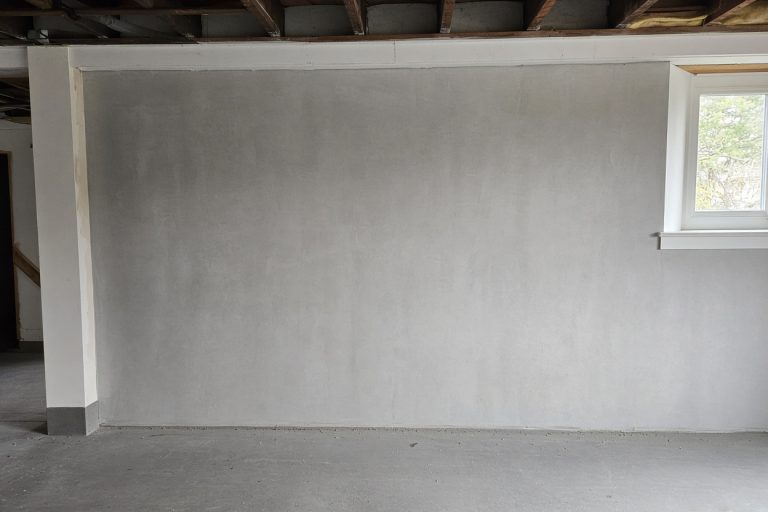
On low ground near that lake plain, spring groundwater rises against the basement walls. So the soil outside holds that water. That water pushes on the concrete. When the push comes back each spring, the wall can move a little and stay there. We have seen block walls bow inward between the corners. We have also seen poured walls open a thin crack around mid-height. But people call about that crack, and they want the repair done.
A hairline from the year the house went up can still be there. We note the crack width and whether the edge looks fresh. After a wet spring, a fresh edge tells us the wall moved again. A step along the block joints is the other mark we watch for. So we read both sides of the wall before we talk about a fix. Outside, we check the grade and the downspouts. Then we look for soil that slopes back toward the foundation. Inside, we check the floor joint. Because water under the slab often shows there first.
Get A FREE Proposal Today!
Wall Repairs We Make for Concrete Basements in Portage
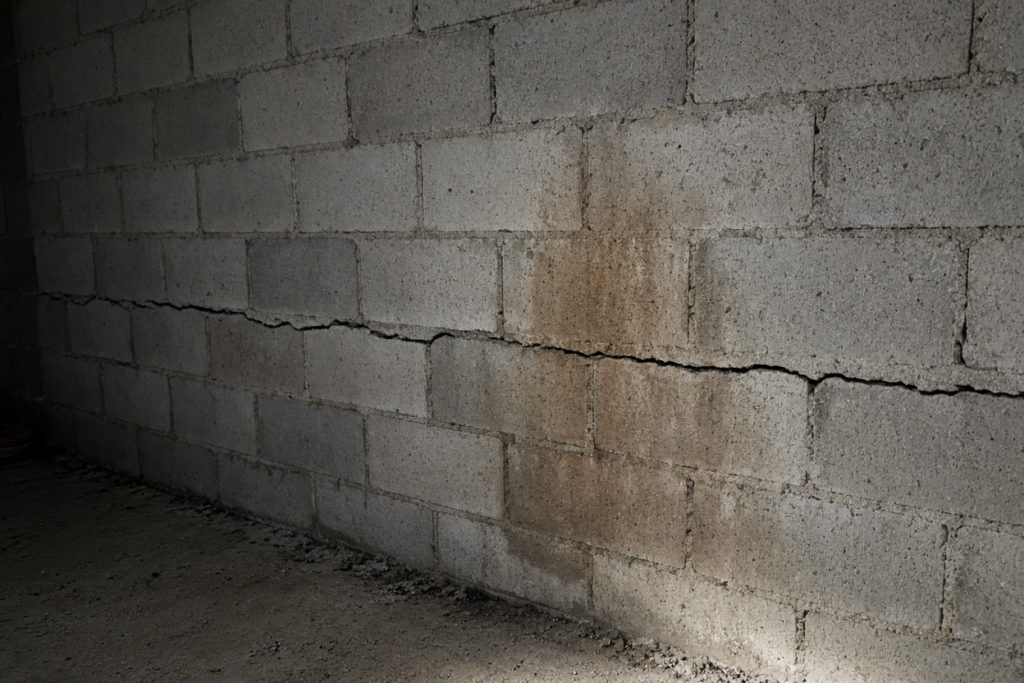
Fixing the wall starts with what the crack is doing now. A stable hairline can take a routed joint and a flexible sealant, so water stops tracking through. When the wall has already moved, filler won’t hold the joint. Then we talk about cutting out the bad section and pouring it back. So we do patch work and concrete removal on these walls. Tear-out and replace comes in when the old concrete won’t hold a patch.
We have handled Concrete Basements in Portage where the job stayed at a patch. Other walls needed a section cut out and poured back. After the old concrete is out, we set forms and place the new mix. Then we strip the forms when the wall can stand on its own. We source that mix so we know it suits a wall that will sit in wet soil. Our crew has poured walls since our doors opened in 2006. We’re family owned and operated. The same forming habits show up on house walls and on small commercial rooms across our service area.
You can see finished wall pours in our photo gallery, including work from around Porter County. Those wall pours follow the same forming and placing habits. Because the new section has to tie into the old concrete, we drill and set steel at the joint. Then water has a harder time tracking through that joint. For example, a corner crack usually needs that steel set into the old wall.
Outside Water and Concrete Basements in Portage
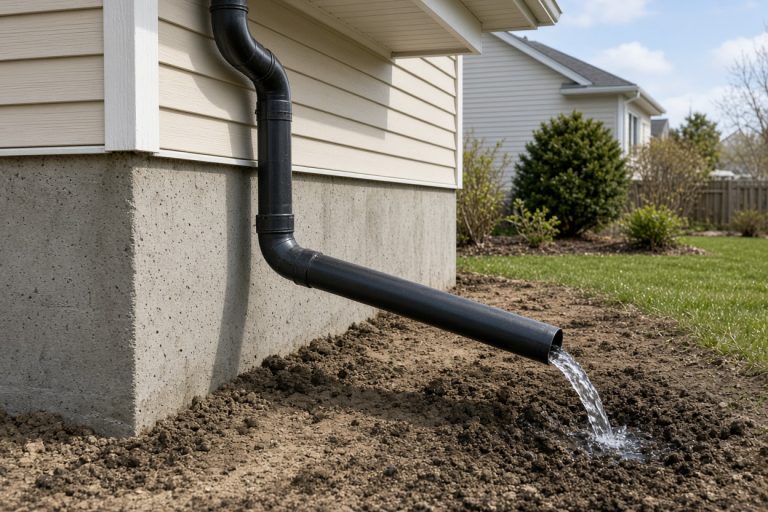
Drainage around the house still matters after the concrete is sound. When a downspout dumps beside the foundation, the next spring puts water right back on the wall. So we tell people to run those spouts out into the yard. But we also tell them to keep mulch and soil from piling against the siding. A sump that runs often in spring is a clue the soil is staying wet. We still fix the concrete the water has marked.
A basement floor can heave along the wall joint at the same time. We have cut out those settled strips and poured them back so we can seal the joint again. But service walks outside can tilt toward the house and send water at the foundation. When we are already on the lot, we can replace a walk that dumps water at the foundation. Room additions sometimes need a new footing beside an old basement wall. We’ll look at that footing with you. We’ll say if that footing will sit in wet soil.
Concrete Basements in Portage often sit on lots that look level from the street. The crack pattern still decides the repair. Then we measure how far a wall has moved before we write anything down. We write the scope out line by line, so you can see each part of the work. Our concrete basements work is the scope we write for that wall.
Window wells are worth a look while we are down there. Last year’s leaves fill the well, and water sits against the top of the wall. We have cleared wells and found the stain line matched the leaf line. A well that holds water will wet a sound repair from above. We point out a packed well. The homeowner clears it after we leave.