
Lansing Illinois Concrete Basements – Damp Spring Slabs
Paint on a wet basement floor peels. So a thin patch over a crack that still weeps breaks loose. We have pulled up flooring that went down on a damp slab, and the adhesive had already let go. Carpet holds the smell. Tile loosens along the edges. When the fix stops at the surface, Concrete Basements in Lansing still take water at the wall seam and through old cracks.
After a wet spring, people have called about dark rings on the slab and a room that stays musty. Because the ground is still wet, a fan only moves the smell. Then the same spots darken again. We have seen this on older basement floors. The floor can feel solid underfoot. Moisture still moves through the concrete.
What Dry Concrete Basements in Lansing Should Look Like
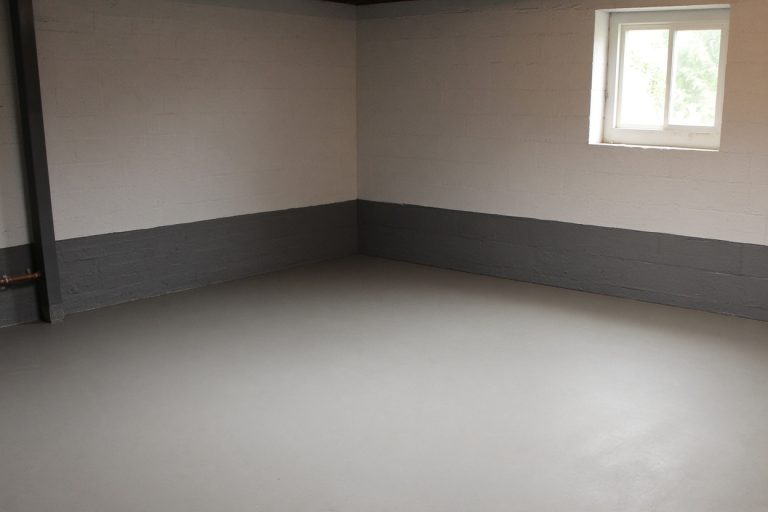
A replaced basement slab should be one even plane. The joint where the floor meets the wall should be tight and dry. After we tear out a failed section, that is the result we want. For example, a coating that stays bonded means the slab under it had time to dry. A hollow sound under the tile means the bond already failed.
Lansing has clay ground near the Little Calumet. Spring rain and snowmelt raise the water beside basement walls. Because clay lets that water through slowly, it can stay under a slab for a long stretch. Then it enters cracks and the joint where the wall meets the slab. People have asked us to fix that floor and those walls.
We have opened older basement floors and found no plastic under the slab. Water from the clay had a clear path up. So the concrete stayed damp even when the room looked fine. Concrete Basements in Lansing show this when wet clay sits right against the slab. A new floor covering on that concrete traps the moisture. Then the covering fails from the underside.
We have walked basements where the sump pit was working and the floor was still dark along the wall. A pump moves water that reaches the pit. Moisture already in the slab stays put. So the floor can stay damp with the pump running.
Get A FREE Proposal Today!
Slab Replacement for Concrete Basements in Lansing
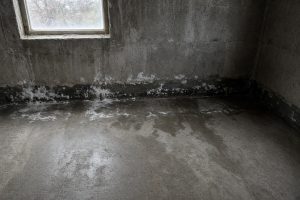
When a slab stays cracked and damp in the same band every spring, a surface product will not hold. We cut out the bad concrete and pour it back. When the old floor has failed, concrete removal is part of that job. A tear out and replace covers the wet section and leaves a sound floor alone.
We have broken out basement floors that were thin over wet clay. After the old concrete is out, we need a firm base before a new pour. A new slab on soupy clay cracks again. So we deal with the base first. Then we pour.
Damp climbs the walls on Concrete Basements in Lansing when the floor joint is wet. We have patched a wall and still found water at that joint, so the floor band came out too. Slab and wall repairs both fall under our concrete basements work.
Because an epoxy coating on a damp basement floor will blister, we will not put one down until the slab is dry. Finished floors from other jobs are in our photo gallery. We are a family owned company and have been at this work since 2006. Our About Us page has how the company started.
Moisture also shows up where pipes come through the floor on Concrete Basements in Lansing. When we measure the cut, we check those spots. A wet circle around a pipe can mark a soft area under the slab.
Watch the floor after a hard rain. A dark line that returns in the same place is water moving through the concrete. After the moisture dries, white powder stays along that line. In Lansing, Illinois, that line often tracks the joint between the basement wall and the slab.