
Poured Concrete Basements in Burns Harbor, Indiana
A Burns Harbor basement wall is a different pour because of dune sand and a high water table. Concrete Basements in Burns Harbor need forms and steel set for that sand, or the wall weeps later. People call us about this when they plan a new house or a room addition near the lake. So we start with the ground on that lot, and we set the wall from what we find.
Burns Harbor, Indiana sits on the Lake Michigan shore, and the ground we open here is dune sand. After we open a cut for a basement, that sand slides into the hole if we leave it steep. We have dug footings with water on the bottom by midmorning. The yard had looked dry the day before. Because the water table sits higher near the lake, an inland wall detail will miss this ground.
Finished Concrete Basements in Burns Harbor walls
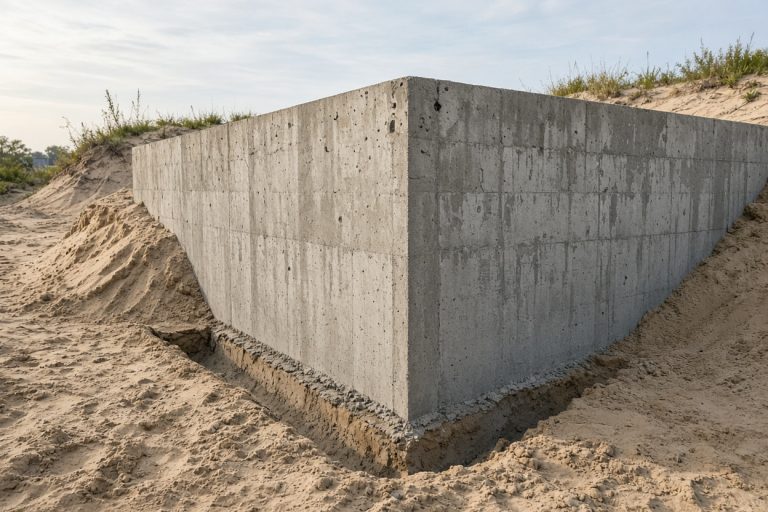
We strip the forms and check for a plumb wall with the footing on firm sand. We step the cut back or we slope it so the sand stays out of the forms. Then we set the footing on firm sand. When loose fill has slid in overnight, we dig that out before the concrete goes in.
Rebar and wall thickness follow the load and the height. So we spend extra time on the support under the footing. And we brace the forms in sand that won’t grip a stake. We have pulled stakes that spun in dry dune sand and failed to hold a form. After that, we switch to wider bracing or a form system we brace from outside the cut.
Water at Concrete Basements in Burns Harbor footings
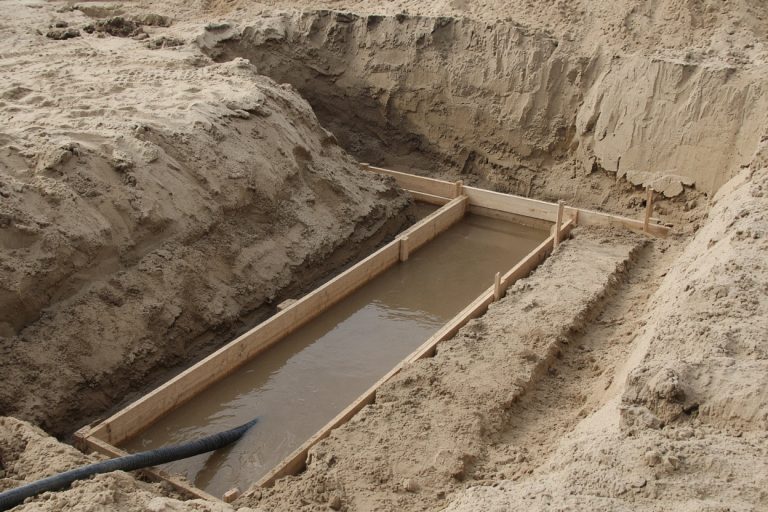
Water in the hole changes the pour day. When we hit water, we pump the trench and keep the pump water off the sand we still need. Then we place the footing concrete before the water comes back. We won’t pour the footing into standing water. A wet trench leaves weak concrete at the base if the mix drops into that water.
Burns Harbor lots near the dunes can shed roof water and yard water toward the house. So we talk through grade and downspouts before we strip the forms. Yard slope at the foundation lets water sit against the wall after the pour is done. We have seen that on lakeshore houses where a low dip between dunes runs toward the basement.
On pour day we check the forms for plumb and we check the steel for cover. Then we look along the cut so caved sand hasn’t filled the wall cavity. We place the concrete in lifts so the mix doesn’t shove a form out of line. After the pour we strip when the wall can stand.
Get A FREE Proposal Today!
Coating Concrete Basements in Burns Harbor before backfill
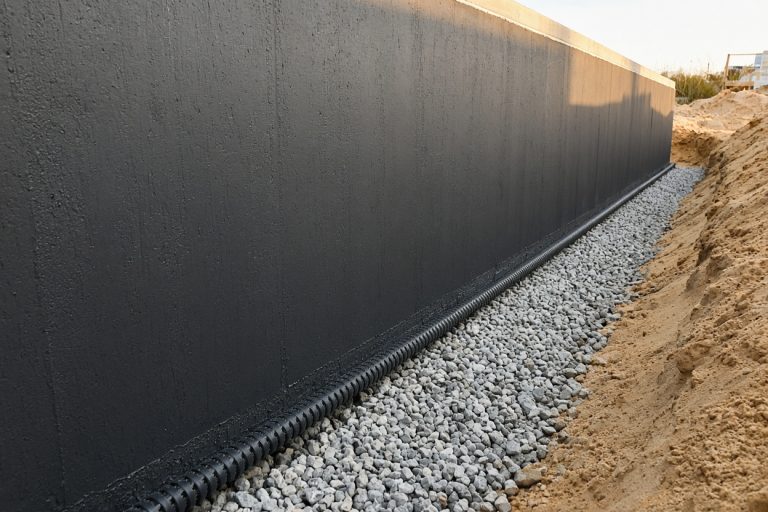
We coat the outside of the wall and we set the drainage before the sand goes back in. Because dune sand drains fast, water still collects at the footing if the drain tile sits high. So we run the tile to daylight or to a sump the builder has planned. Concrete Basements in Burns Harbor stay drier when the drain sits at the footing. The coat needs to run up the wall without a gap.
We are Cabe’s Concrete, a family owned crew, and we have poured concrete in North West Indiana since 2006. Concrete Basements in Burns Harbor are part of that work, along with the slab once we backfill the walls. We also pour for new construction and for room additions. When an older slab has failed, we handle the concrete repair and the tear out and replace. Our concrete basements work sits alongside the flatwork we do on the same jobs. Finished jobs from the area are in the photo gallery.
Backfill is the step that can crack a wall we just poured. So we wait until the coat and the tile are in. Then we place the sand in lifts so it doesn’t shove the wall. When the builder wants a truck to dump against a wall that is still curing, we hold that off. We want the concrete to reach strength before a load of dune sand lands against one side.